

The Cultural and Aesthetic Value of Tanjore Paintings in Modern Home Décor
Introduction
Tanjore paintings, one of India’s most cherished art forms, bring a unique blend of cultural heritage, artistic mastery, and visual sophistication to modern interiors. Originating in the historic town of Thanjavur (Tanjore) in Tamil Nadu, these traditional artworks continue to captivate art lovers and homeowners alike due to their vibrant colors, intricate details, and rich symbolic significance.
What Makes Tanjore Paintings Unique?
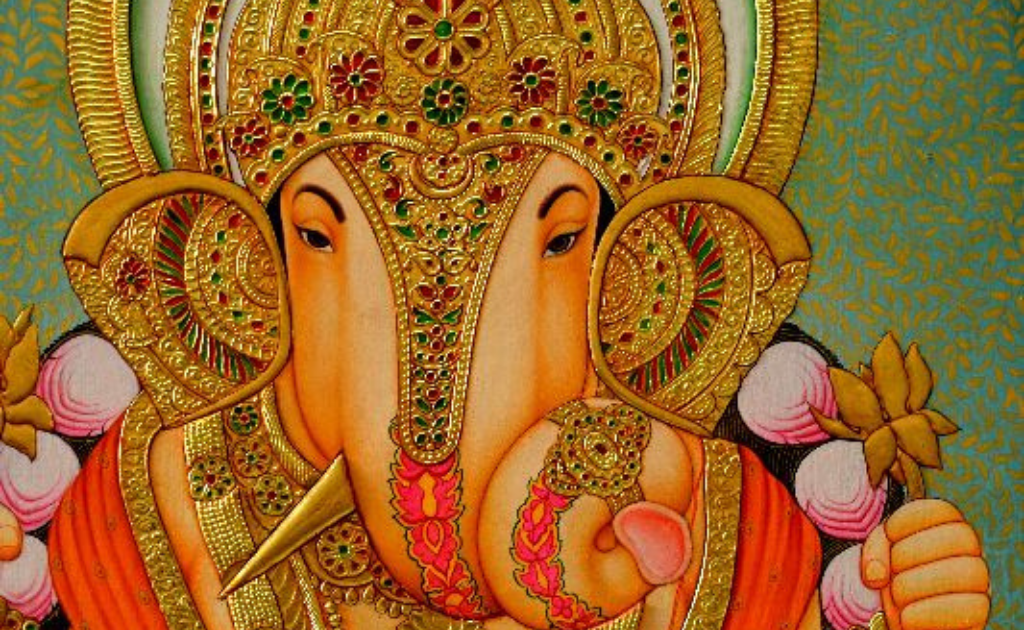
At the heart of Tanjore paintings is distinctive craftsmanship a fusion of meticulous design, vibrant hues, and rich ornamentation. These paintings are traditionally created on wooden panels or cloth, enhanced with layers of gesso paste, and embellished with 22-carat gold foil and semi-precious stones. The result is a captivating three-dimensional effect that gives depth and luminosity to the artwork.
Unlike flat, mass produced prints, authentic Tanjore art offers a tactile sense of texture and luxury that adds intrinsic value to interior spaces.
Historical Roots and Cultural Significance
Tanjore painting has a history that dates back to centuries of South Indian tradition, flourishing under the patronage of the Nayak and Maratha rulers in the 17th and 18th centuries. Originally created as devotional art, these paintings often depict Hindu deities such as Lord Krishna, Lakshmi, Shiva, and Ganesh, making them both spiritually meaningful and visually stunning.
The rich color palette, symbolic iconography, and regal use of gold foil reflect not just artistic skill, but also cultural values that continue to resonate in contemporary homes.
Integrating Tanjore Paintings into Modern Interiors
Tanjore paintings are versatile interior accents that complement a wide range of design styles — from traditional to contemporary. Their vibrant aesthetics and historical depth make them ideal for:
-
Living rooms, as focal wall art that sparks conversation
-
Pooja rooms, where they enhance the spiritual atmosphere
-
Entryways and hallways, adding cultural richness to first impressions
-
Corporate spaces and waiting areas, conveying sophistication and heritage.
These artworks harmonize with neutral color schemes, wood interiors, and minimalist decors, giving each room a sense of timeless character.
Choosing and Displaying Your Tanjore Artwork
When selecting a Tanjore painting, consider the size, theme, and frame style based on your space. Devotional themes work beautifully in prayer or meditation zones, while mythological or nature-inspired subjects can enhance living areas and offices.
Framing options such as classic teak wood or ornamental borders further elevate the piece, making it a visual anchor in any room.
The Symbolism and Emotional Impact
Beyond aesthetics, Tanjore paintings carry symbolic resonance each deity, color choice, and artistic detail reflects deeper cultural traditions and spiritual beliefs. Whether it’s invoking prosperity with portraits of Lakshmi or fostering positivity with depictions of Ganesha, these artworks infuse spaces with emotional significance as well as artistic value.
Conclusion
Tanjore paintings are more than just décor they are living pieces of India’s artistic heritage. Their intricate craft, radiant hues, and cultural symbolism enrich any interior, from modern minimalist homes to classic heritage spaces. By choosing authentic Tanjore art, homeowners embrace not only visual elegance but also the enduring legacy of South Indian artistry.
Explore Garudaa’s curated collection of exquisite Tanjore paintings and discover how heritage art can uplift your living spaces with timeless beauty and cultural depth.