

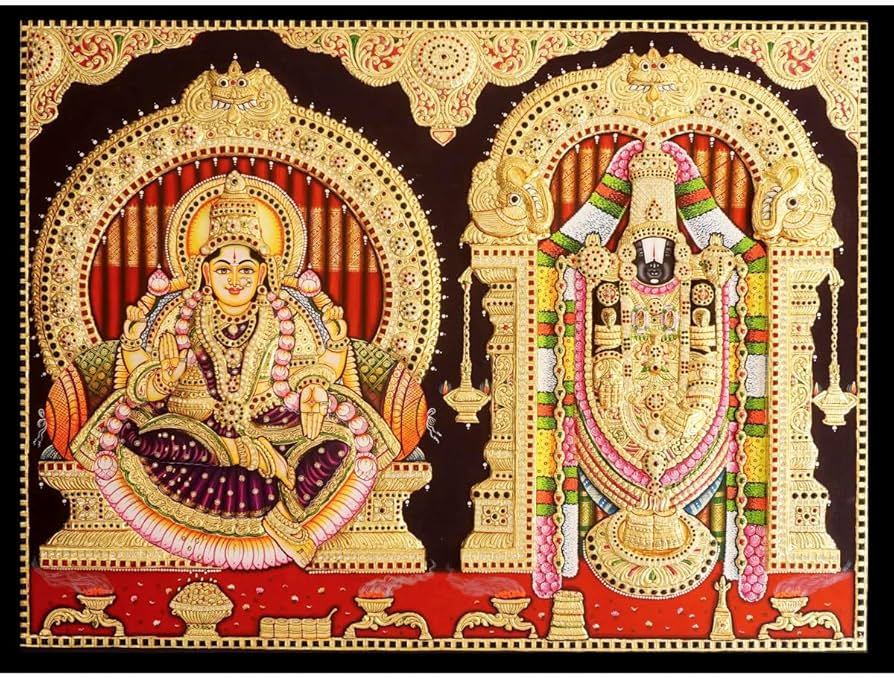
From Temples to Contemporary Homes: The Enduring Legacy of Authentic Tanjore Paintings
The Journey of Authentic Tanjore Paintings Through Time
Few art forms in India have preserved their soul as gracefully as authentic Tanjore paintings. Originating in Tamil Nadu during the Chola and Maratha periods, this classical art tradition began as sacred temple art and gradually evolved into a symbol of cultural pride and luxury décor.
Today, Tanjore paintings bridge centuries seamlessly connecting ancient devotion with contemporary living spaces.
Origins Rooted in South Indian Heritage
Tanjore paintings were originally created to narrate divine stories. Crafted by skilled artisans, these paintings adorned temple walls and royal courts, depicting Hindu deities with grandeur and spiritual depth.
What made them exceptional then and still does today is their distinctive gold embossing, intricate detailing, and devotion-driven craftsmanship.
Traditional Tanjore Painting Techniques Explained
Unlike mass-produced artwork, handmade gold foil paintings follow a meticulous, time-intensive process:
-
Wooden Base Preparation – A sturdy wooden plank forms the foundation
-
Cloth & Limestone Coating – Ensures durability and smooth texture
-
Embossing Work – Raised relief using traditional paste methods
-
22ct Gold Foil Application – Carefully layered to create rich brilliance
-
Hand Painting – Natural pigments bring divine expressions to life
Each step requires patience, skill, and generational knowledge.
Why 22ct Gold Tanjore Art Holds Timeless Value
The use of pure 22-carat gold foil is what elevates Tanjore art beyond aesthetics:
-
Gold never fades or tarnishes
-
Enhances visual depth and richness
-
Symbolizes prosperity and divinity
-
Adds intrinsic material value
This makes authentic Tanjore paintings both emotionally meaningful and materially valuable.
Relevance of Tanjore Paintings in Modern Homes
Modern interiors increasingly embrace cultural authenticity. Homeowners now seek décor that tells a story rather than simply filling space.
- 1.Tanjore paintings complement:
2.Minimalist apartments
3.Luxury villas
4.Pooja rooms
5.Corporate boardrooms
6.Boutique hotels
- Their radiant gold tones create a striking contrast against modern neutral palettes, making them statement pieces.
- Spiritual Significance Beyond Décor
- More than wall art, Tanjore paintings are revered for their spiritual impact. Depictions of Lakshmi, Krishna, Balaji, Shiva, and Ganesha are believed to invite:
-
Positivity
-
Harmony
-
Prosperity
-
Divine blessings
- This makes them ideal for housewarming gifts, festive occasions, and sacred spaces.
- How to Ensure You’re Buying Authentic Tanjore Paintings
- With growing demand, replicas have flooded the market. True authenticity includes:
- ✔ Real 22ct gold foil (not metallic paint)
✔ Visible raised embossing
✔ Traditional wooden backing
✔ Hand-painted detailing
✔ Certification or artisan credibility - Choosing original art preserves tradition and supports heritage artisans.
- Why Garudaa Is a Trusted Name in Heritage Art
- Garudaa stands committed to preserving traditional Tanjore painting techniques while catering to modern sensibilities.
- What sets Garudaa apart:
-
Authentic 22ct gold usage
-
Skilled heritage artisans
-
Customised and premium designs
-
Strict quality standards
-
Deep respect for cultural authenticity
- Every piece reflects legacy, devotion, and excellence.
- A Living Art Form for Future Generations
- Owning an authentic Tanjore painting is more than a purchase it is participation in preserving Indian heritage.
- From ancient temples to contemporary homes, Tanjore art continues to shine just as brilliantly as its gold.